Eco-Friendly Approaches: How E-Waste Recycling Services Are Preserving Our Planet
Electronic waste presents serious dangers to the environment, as abandoned electronic devices commonly carry harmful materials. These toxic materials have the potential to taint soil and water sources, causing extensive damage to surrounding ecosystems. E-waste recycling initiatives provide a practical answer. They serve the dual purpose of reclaiming precious materials and reducing contamination. Comprehending the operation of these services and their influence on communities is of great importance. The journey towards effective e-waste management raises critical questions about individual responsibility and Browse all collective action. What steps can be taken next?
Why E-Waste Poses a Threat to the Planet
Although technology enhances modern life, electronic waste presents significant environmental threats. Discarded electronic devices, frequently composed of dangerous compounds like cadmium, lead, and mercury, may release harmful substances into the surrounding soil and water supply, posing risks to ecosystems and human health. The rapid pace of technological advancement results in higher rates of electronics disposal among consumers, worsening the buildup of e-waste.
Landfills, already overwhelmed with refuse, find it difficult to handle the increasing amounts of discarded devices. Incineration, another disposal method, releases harmful pollutants into the atmosphere, contributing to air quality degradation. Moreover, poor recycling procedures can cause e-waste to be sent to developing regions, where employees may disassemble electronics without sufficient safety precautions, leaving them vulnerable to harmful substances. This ongoing cycle of carelessness and inadequate management emphasizes the pressing necessity for responsible recycling initiatives that can lessen the harmful consequences of e-waste on our world.
What Is E-Waste and Why Is It Important?
E-waste, also referred to as electronic waste, comprises unwanted electronic equipment including televisions, computers, and smartphones that have reached the end of their useful life. This increasingly prevalent form of waste is important due to its rapid accumulation, fueled by innovation in technology and shifting consumer habits. With an increasing number of devices reaching obsolescence, the environmental impact intensifies, with dangerous elements including lead, mercury, and cadmium posing risks to ecosystems and human health.
Addressing e-waste is crucial not only for reducing these dangers but also for acknowledging the precious materials found within it. Precious metals and rare earth elements can be recovered and reused, reducing the need for mining and conserving natural resources. By understanding e-waste and its implications, individuals and organizations can make informed decisions about disposal and recycling, ultimately contributing to a more sustainable future. Effective handling of e-waste is vital for encouraging a circular economy and advancing environmental responsibility.
The Way E-Waste Recycling Functions
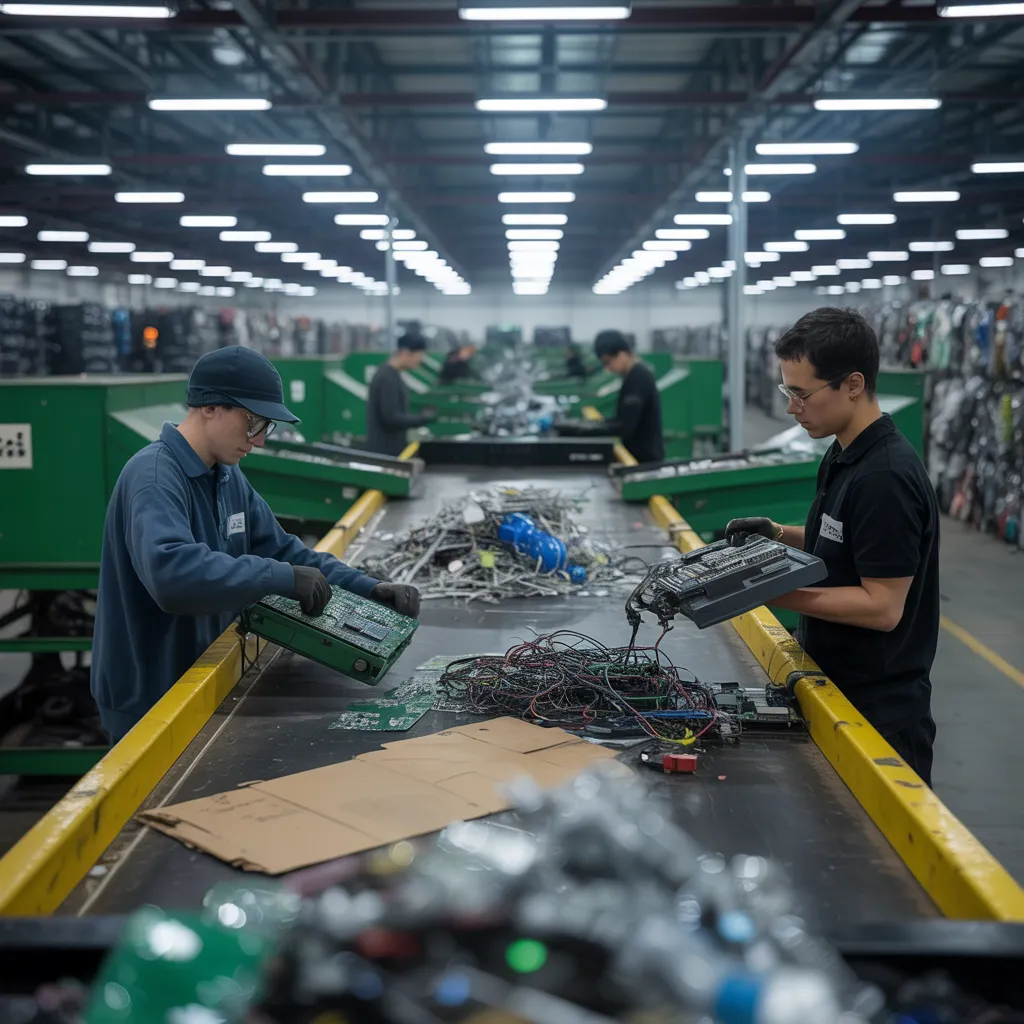
E-waste recycling entails an organized procedure intended to extract beneficial components while reducing harm to the environment. At the outset, discarded electronics are retrieved and sent to purpose-built recycling plants. Once there, the equipment is meticulously organized to separate hazardous components from recyclable materials.
After this step, specialists deconstruct the items, separating plastics, metals, and glass. This phase is essential, as it facilitates the reclamation of high-value metals like copper, gold, and silver, which may be utilized in new electronic products.
Afterward, the sorted materials are treated through state-of-the-art techniques, such as mechanical shredding and chemical processing, to refine them for recycling.
Finally, the residual hazardous materials are disposed of responsibly, following environmental regulations. This systematic method not only preserves valuable resources but also minimizes the hazards connected to unsafe e-waste handling, securing a more eco-conscious future for electronic device usage.
The Benefits of E-Waste Recycling for You and Your Community
Though many people are unaware, the positive effects of e-waste recycling reach well past personal use to meaningfully influence entire communities. By properly recycling electronic waste, individuals contribute to a cleaner environment, reducing hazardous materials that can seep into soil and water. This forward-thinking practice actively safeguards local ecosystems and supports public health.
Furthermore, electronic waste recycling supports the creation of jobs in communities. Local recycling facilities often require personnel for numerous tasks, from collection to processing, thus generating valuable job opportunities within the community. This not only boosts the local economy but also fosters community involvement in eco-friendly practices.
In addition, knowledge about e-waste recycling is capable of inspiring educational initiatives, empowering residents to make environmentally conscious decisions. By engaging with e-waste recycling programs, individuals nurture a culture of sustainability, prompting others to follow suit. All things considered, the combined impact of these actions can create a more robust and eco-friendly community.
Tips for Choosing an E-Waste Recycling Service
Picking the most suitable e-waste disposal service is vital for ensuring that electronic refuse is processed with responsibility and sustainability. To begin, consumers should confirm the service's credentials, such as e-Stewards or R2, which demonstrate compliance with industry standards for responsible recycling methods. Additionally, it is advisable to evaluate the provider's standing by checking reviews and seeking advice from dependable sources.
Moreover, openness in the recycling process is crucial. A trustworthy company should offer detailed insights about how e-waste is processed and what happens to the materials. Moreover, evaluating the range of services offered can be beneficial; various firms may supply retrieval services or extend benefits for recycling.
In addition, being aware of local regulations regarding e-waste disposal may further shape the selection process. By prioritizing these factors, individuals can contribute to successful electronic waste reduction while also advancing eco-friendly habits.
Ways You Can Participate in E-Waste Recycling?
Getting involved with e-waste recycling can start at the local level, where community recycling hubs often provide essential services for safe disposal. Furthermore, taking part in community awareness campaigns can amplify efforts to educate others about the importance of proper e-waste handling. These initiatives not only encourage sustainable practices but also cultivate a collective sense of accountability for the environment.
Community Recycling Locations
Several local recycling centers play an essential role in recycling electronic waste, providing communities with accessible options to discard electronic waste in an eco-friendly way. These centers accept a selection of electronic equipment, including aging computers, cell phones, and television sets, guaranteeing that dangerous substances are processed safely. The majority of facilities employ qualified professionals who help individuals navigate appropriate disposal procedures, stressing the significance of recycling instead of landfilling. In addition, several stations organize planned drop-off gatherings or set collection days, making participation convenient for residents. By taking advantage of these neighborhood resources, residents support a circular economy, lowering environmental harm and encouraging sustainable habits. Connecting with these stations empowers communities to take action against e-waste pollution effectively.
Public Awareness Initiatives
Community groups, educational institutions, and companies can work together to organize events that support e-waste collection drives. Volunteers can play a pivotal role in raising awareness, sharing informational resources, and connecting with local residents. As a result of these combined actions, local inhabitants gain greater awareness and encouragement to properly recycle their e-waste, ultimately contributing to a more sustainable future.
Frequently Asked Questions
What Types of Electronics Can Be Recycled?
Various electronics are able to be recycled, including laptops, televisions, smartphones, printers, computers, and gaming consoles. Furthermore, ancillary devices such as batteries, keyboards, and mice are also suitable for recycling, contributing to environmental conservation efforts.
Is There a Cost Associated With E-Waste Recycling?
Indeed, e-waste disposal may involve charges, based on the facility. Some service centers apply costs for collection or processing, while other facilities make services available at no charge, typically funded by the proceeds from salvaged materials.
How Do Businesses Gain From E-Waste Recycling?
Companies can take advantage of e-waste recycling by lowering disposal expenses, enhancing their environmental image, meeting compliance standards, extracting valuable resources, and possibly earning income through resale, thereby fostering a more environmentally responsible business approach.
What Happens to Data on Recycled Devices?
Details from recycled devices is often completely removed or obliterated throughout the recycling process. This ensures sensitive information remains secure, stopping improper access while permitting components to be recycled securely and sustainably within new applications.
Is It Possible to Recycle Damaged Electronics?
Yes, broken electronics are able to be recycled. Several facilities take in damaged devices, ensuring proper disposal and retrieval of precious materials. This effort helps decrease the environmental footprint while fostering eco-friendly recycling methods to manage e-waste properly.